English Article
-
Is Malaysia really helping Thailand douse the southern fire?
เขียนวันที่วันจันทร์ ที่ 25 มีนาคม 2556 เวลา 06:41 น.เขียนโดยThe news deskRead more...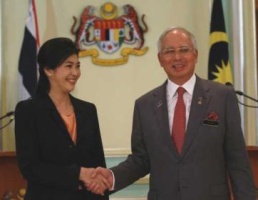
There are indications that Malaysia’s role in "facilitating" the peace talk process between the Thai government and the Barisan Revolusi Nasional (BRN) separatist organization was meant for domestic political gains.
-
Doubt over peace talk between the government and the “old guard” separatists
เขียนวันที่วันจันทร์ ที่ 18 มีนาคม 2556 เวลา 12:29 น.เขียนโดยThe news deskRead more...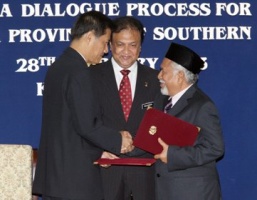
March 13 of every year marks the founding day of the separatist organization Barisan Revolusi Nasional (BRN) or Barisan Revolusi Nasional Melayu Patani as it was officially called.
-
Mrs Sobaidah Doloh and her peace award
เขียนวันที่วันศุกร์ ที่ 15 มีนาคม 2556 เวลา 07:22 น.เขียนโดยLekha KliangklaoRead more...
The presentation of Women’s Peace Promotion Awards on the occasion of the International Women’s Day on March 8 this year caused a big "ooh and aah" because one of the recipients was the director of a pondok (ponoh) Islamic religious school in the deep South which was closed down for four years by the security forces on suspicion of providing shelter to separatists.
-
Peace talk to start in earnest in KL
เขียนวันที่วันพุธ ที่ 13 มีนาคม 2556 เวลา 00:21 น.เขียนโดยศูนย์ข่าวภาคใต้Read more...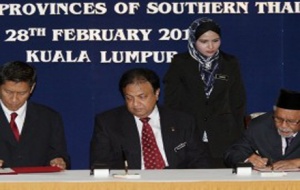
Formal peace talk between the Thai government and the Barisan Revolusi Nasionale (BRN) separatist organization is due to start this week in Malaysia following the signing of the historic peace dialogue process agreement in Kuala Lumpur on February 28.
-
Defector confirmed Hassan Taib is a real separatist leader
เขียนวันที่วันจันทร์ ที่ 11 มีนาคม 2556 เวลา 10:47 น.เขียนโดยThe news deskRead more...
Immediately after the signing of the peace dialogue agreement in Kuala Lumpur on February 28 between the Thai government and the Barisan Revolusi Nasionale (BRN) separatist group, many critics have questioned the credibility of Mr Hassan Taib, the man representing the BRN.
-
AMLO’s seizure of a pondok school is confusing
เขียนวันที่วันอังคาร ที่ 05 มีนาคม 2556 เวลา 07:37 น.เขียนโดยThe news deskRead more...
A dilapidated Islamic religious school in Yaring district of Pattani which was left abandoned since it was closed down by authorities in 2005 has recently been "frozen" by the Anti Money Laundering Office to the chagrin of its co-owners.
-
Caution on peace initiative
เขียนวันที่วันศุกร์ ที่ 01 มีนาคม 2556 เวลา 01:14 น.เขียนโดยThe news deskRead more...
The government’s peace initiative to open talks with all southern rebel groups has picked up momentum at a pace so fast that warnings of caution and slow down have been sounded.
-
Southern people want four issues to be addressed as priority
เขียนวันที่วันพุธ ที่ 27 กุมภาพันธ์ 2556 เวลา 11:41 น.เขียนโดยThe news deskRead more...
"We are not Superman!, and do not expect too much from us!"
-
Do not use unjust means in search of justice
เขียนวันที่วันอังคาร ที่ 26 กุมภาพันธ์ 2556 เวลา 08:21 น.เขียนโดยPakorn PuengnetrRead more...
This commentary is an expanded version of the article of the same headline written by this writer which was published in Krungthep Dhurakij newspaper on Tuesday February 19.
-
Government mulls lifting of state of emergency
เขียนวันที่วันพฤหัสบดี ที่ 21 กุมภาพันธ์ 2556 เวลา 10:56 น.เขียนโดยThe news deskRead more...
The government is considering replacing state of emergency in five districts in the deep South with the Internal Security Act.